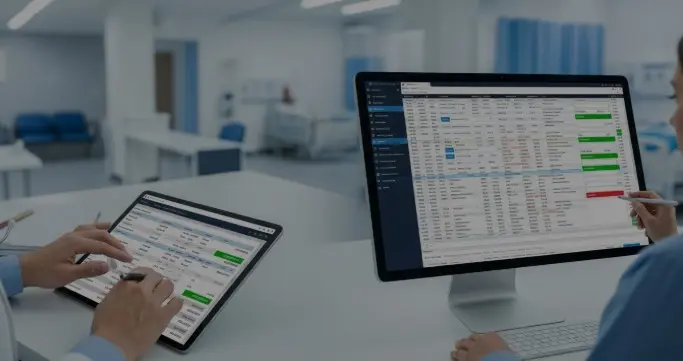
Efficient revenue management is the backbone of any successful healthcare practice. One of the most critical yet often overlooked components of this process is charge capture medical billing. Properly implemented, it ensures accurate documentation, prevents revenue leakage, and keeps your practice compliant with payer requirements. In this comprehensive guide, we’ll explore everything you need to know about charge capture, including its types, implementation strategies, tools, and future trends.
What is Charge Capture in Medical Billing?
Short Answer: Understanding Charge Capture Medical Billing
Charge capture refers to the process of recording all billable services provided to patients in a healthcare setting. These charges are then translated into medical codes and submitted to insurance payers or patients for reimbursement.
In essence, it ensures that no service performed goes unbilled. Accurate charge capture is critical for the healthcare revenue cycle, as even minor missed charges can translate into significant financial losses.
How Charge Capture Works in Healthcare Practices
Charge capture begins at the point of care, when clinicians provide services. The typical workflow includes:
Service Documentation: Clinicians document procedures, tests, and consultations.
Charge Entry: Coders or staff enter the documented services into the billing system.
Coding and Validation: Services are translated into standardized codes (CPT, ICD-10, HCPCS).
Claim Submission: The charges are submitted to insurance payers or self-pay patients.
Modern healthcare practices often rely on software integrated with Electronic Health Records (EHRs) to streamline this process. Both coders and clinicians play crucial roles, ensuring accuracy and compliance.
Common Challenges in Charge Capture
Despite its importance, charge capture faces several challenges:
Missed Charges and Revenue Leakage: Unrecorded services lead to lost revenue.
Human Error: Manual entry mistakes can result in incorrect billing.
Outdated Systems: Legacy systems may lack automation or integration.
Incomplete Documentation: Insufficient clinical notes prevent proper coding.
Why Charge Capture is Important for Medical Practices
Implementing an effective charge capture process benefits healthcare organizations in several ways:
Impact on Revenue Cycle Management: Ensures all services are billed, improving cash flow.
Compliance and Audit Readiness: Accurate charge capture reduces the risk of fines and audit discrepancies.
Reduction in Billing Errors and Denials: Proper documentation minimizes claim rejections.
Patient Satisfaction and Transparency: Accurate billing prevents disputes and confusion.
Types of Charge Capture in Medical Billing
Manual Charge Capture
Traditional paper-based charge capture involves manually recording services on forms or logs.
Pros:
Low upfront cost
Simple to understand
Cons:
Prone to human error
Slow processing speed
Difficult to integrate with digital systems
Electronic Charge Capture (EHR/EMR Integrated)
Electronic charge capture is embedded within EHR/EMR systems. Clinicians enter charges directly into the system, which automatically validates and codes them.
Benefits:
High accuracy
Faster billing cycles
Integration with existing clinical workflows
Mobile Charge Capture Solutions
Mobile apps allow clinicians to capture charges on-the-go, often with EHR integration.
Advantages:
Captures services in real-time
Reduces missed charges
Enhances clinician convenience
Comparison Table: Manual vs. Electronic vs. Mobile Charge Capture
| Feature | Manual | Electronic | Mobile |
|---|---|---|---|
| Accuracy | Low | High | High |
| Speed | Slow | Fast | Fast |
| Cost | Low | Medium | Medium |
| Error Risk | High | Low | Low |
| Integration | No | Yes | Partial |
Step-by-Step Guide: How to Implement Charge Capture in Your Practice
Step 1 – Analyze Current Billing Workflow
Identify gaps in documentation, charge entry, and claim submissions. Map out each stage to pinpoint where revenue loss occurs.
Step 2 – Choose the Right Charge Capture Method
Decide between manual, electronic, or mobile charge capture based on practice size, budget, and staff capabilities.
Step 3 – Train Staff on Accurate Documentation
Ensure clinicians and coders understand what constitutes billable services and how to document them correctly.
Step 4 – Integrate With EHR/EMR Systems
For electronic or mobile capture, integrate software with your existing EHR/EMR to automate coding, validation, and claim submissions.
Step 5 – Monitor, Audit, and Optimize Charge Capture Processes
Regular audits prevent missed charges, errors, and compliance issues. Adjust workflows as needed.
Step 6 – Measure Revenue Impact and Compliance
Track metrics like claim denial rates, revenue recovered, and billing turnaround time to evaluate the effectiveness of your charge capture system.
Common Questions About Charge Capture Medical Billing (People Also Ask)
How does charge capture improve revenue cycle management?
Accurate charge capture ensures all services are billed and coded correctly, reducing missed revenue and claim denials.
What are the most common charge capture mistakes?
Errors include missed services, incorrect codes, and incomplete documentation.
How often should charge capture processes be audited?
Most practices conduct audits quarterly, though higher-volume practices may opt for monthly reviews.
Is electronic charge capture better than manual?
Yes. Electronic systems reduce errors, improve speed, and integrate with EHR/EMR workflows.
Can mobile charge capture reduce missed charges?
Absolutely. Real-time documentation prevents missed or delayed billing entries.
Tools and Software for Charge Capture in Medical Billing
Top EMR/EHR Systems With Charge Capture
Popular EHRs like Epic, Cerner, and Allscripts include charge capture modules with automated coding, alerts, and claim validation.
Standalone Charge Capture Tools
Standalone tools are ideal for practices not ready to fully adopt EHR-based systems. These tools focus solely on capturing charges efficiently.
Key Features to Look For
Automation for coding
Real-time analytics
Integration with billing and EHR systems
Mobile accessibility
Comparison Table: Popular Charge Capture Tools
| Tool Name | Type | Features | Cost | Integration Level |
|---|---|---|---|---|
| Tool A | EMR | Automated coding, analytics | $$$ | High |
| Tool B | Mobile | On-the-go capture | $$ | Medium |
| Tool C | Standalone | Reporting, audits | $ | Low |
Benefits of Optimized Charge Capture
Increased Revenue and Cash Flow: Ensures all services are billed.
Reduced Claim Denials: Accurate documentation prevents rejections.
Compliance and Audit Readiness: Streamlines audits and regulatory compliance.
Better Clinical Documentation: Clinicians are guided to document properly, improving care continuity.
Future Trends in Charge Capture Medical Billing
AI-driven charge capture: Automation of coding and validation.
Cloud-based solutions: Secure, scalable access to data.
Predictive analytics for revenue forecasting: Identify trends and prevent revenue leakage.
Integration with telehealth and remote care: Capture virtual services accurately.
FAQs About Charge Capture Medical Billing
What is the difference between charge capture and coding?
Charge capture is recording billable services, while coding translates these services into standardized billing codes.How can small practices implement charge capture effectively?
Start with a simple system (manual or mobile), train staff, and gradually transition to electronic solutions.Does charge capture affect patient billing accuracy?
Yes. Accurate capture ensures patients are billed correctly, reducing disputes.What is the average cost of implementing electronic charge capture?
Costs vary from $2,000–$20,000 depending on software, size of practice, and integration needs.How often should software be updated or replaced?
Ideally every 3–5 years or when major features/compatibility improvements are needed.Can charge capture prevent insurance denials?
Proper documentation and coding significantly reduce claim denials.Are mobile apps for charge capture HIPAA compliant?
Only if they meet HIPAA security and privacy requirements.How long does it take to see ROI from optimized charge capture?
Practices often see measurable improvements within 3–6 months.
Conclusion
Charge capture medical billing is more than just an administrative task it’s a cornerstone of healthcare revenue optimization. Implementing accurate and efficient charge capture, whether manual, electronic, or mobile, ensures financial health, compliance, and patient satisfaction. By following a structured step-by-step approach, leveraging modern tools, and staying ahead of emerging trends, practices can maximize revenue, reduce claim denials, and maintain audit readiness.
Investing in charge capture today prepares your practice not just for current billing challenges but for the evolving future of healthcare revenue management.