
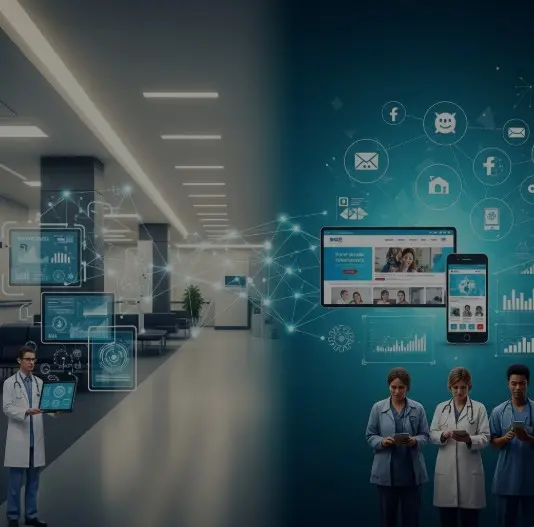
Healthcare is evolving, and patients are increasingly online. Are you reaching them effectively? Many healthcare providers still rely on traditional marketing methods, missing opportunities to educate, engage, and attract patients digitally. In today’s competitive healthcare landscape, understanding the use of digital marketing in healthcare is no longer optional it’s essential.
This guide explores the benefits, strategies, practical examples, and measurable outcomes of healthcare digital marketing in 2025. You’ll learn how to leverage digital tools for patient education, engagement, brand credibility, analytics, cost-effective campaigns, and emerging trends like AI and telehealth integration.
What is the Use of Digital Marketing in Healthcare?
Definition and Overview
The use of digital marketing in healthcare refers to leveraging online channels such as social media, websites, email, SMS, search engines, and mobile apps to communicate with, educate, and engage patients. Modern tools like AI-powered personalization and automation enhance the patient experience and improve campaign efficiency, allowing healthcare providers to reach patients more effectively than traditional marketing ever could.
Why Healthcare Needs Digital Marketing in 2025
Patients increasingly rely on online searches, social media reviews, and digital channels to choose healthcare providers. Telehealth and virtual consultations have accelerated the need for online visibility. Digital marketing is cost-effective and measurable, offering higher ROI compared to traditional marketing methods. Clinics and hospitals that invest in these strategies can attract more patients, build stronger relationships, and improve long-term retention.
Key Uses of Digital Marketing in Healthcare
Patient Education Through Digital Channels
Blogs, video tutorials, webinars, and newsletters are powerful tools for educating patients about treatments, preventive care, and healthy lifestyles. For example, a cardiology clinic may use short explainer videos to guide patients on heart health tips. Educated patients are more likely to follow treatment plans, attend appointments, and trust your expertise.
Patient Engagement and Interaction
Social media, online Q&A sessions, chat bots, and email campaigns enable ongoing patient engagement. Personalised follow-ups and patient portals provide convenient channels for communication, allowing clinics to build long-lasting relationships. Engagement also increases patient loyalty and encourages word-of-mouth referrals.
Building Trust and Credibility
Sharing patient testimonials, success stories, and informative content establishes credibility. Displaying staff credentials, awards, and certifications reinforces trust. Transparent information about services, pricing, and policies also helps patients feel confident in choosing your practice.
Targeted Outreach and Personalization
Digital marketing allows you to target campaigns based on demographics, behaviors, and health needs. For instance, a mental health campaign may focus on young adults, while arthritis education targets seniors. Personalized emails, dynamic ads, and retargeting strategies ensure your messages reach the right audience at the right time.
Brand Awareness and Online Visibility
Local SEO, Google Business Profile optimization, and paid search campaigns enhance your online presence. Social media activity and online reviews further reinforce your brand, making it easier for new patients to find and trust your clinic.
Cost-Effective Growth and ROI Tracking
Digital marketing provides precise ROI tracking and budget control. Analytics dashboards allow you to measure website traffic, patient acquisition, engagement, and conversions. Small clinics can scale efficiently, achieving more patient growth with less marketing spend compared to traditional advertising.
Data, Analytics, and Continuous Improvement
Monitoring KPIs like engagement rates, conversion rates, and patient retention is crucial. AI-driven tools can predict patient behavior, optimize campaigns, and suggest personalized content. Continuous analysis ensures your digital marketing strategies remain effective and patient-centric.
Emerging Trends in the Use of Digital Marketing in Healthcare
AI and Automation in Healthcare Marketing
AI-powered chatbots handle patient queries and appointment scheduling efficiently. Predictive analytics identify potential patients and optimize marketing campaigns. AI content recommendations create more personalized, engaging experiences for patients online.
Telehealth and Digital Campaign Integration
Digital marketing campaigns promoting telehealth services increase accessibility for patients. Combining SEO, social media, and email campaigns ensures patients are aware of virtual consultation options, expanding your reach beyond local communities.
Voice Search and Mobile Optimization
Patients increasingly use voice assistants for health queries. Optimizing websites for mobile-first browsing and voice search ensures that patients can find information quickly and conveniently, boosting both traffic and engagement.
Video and Interactive Content Engagement
Short videos, live webinars, interactive health assessments, and symptom checkers engage patients while educating them. Interactive content keeps users on your website longer and encourages shares, increasing visibility organically.
Common Mistakes to Avoid in Healthcare Digital Marketing
Ignoring Compliance and Privacy
All campaigns must comply with HIPAA regulations and ensure secure handling of patient data. Failing to do so can result in fines and damage your clinic’s reputation.
Not Targeting the Right Audience
Generic campaigns reduce ROI. Segmenting by age, condition, or behavior ensures your marketing resonates with the right patient groups.
Lack of Measurement and Analytics
Running campaigns without tracking conversions, engagement, or ROI prevents improvement. Use analytics dashboards and reporting tools to refine strategies and justify marketing spend.
Examples of the Use of Digital Marketing in Healthcare
Clinic and Hospital Case Studies
-
Pediatric clinic producing educational YouTube videos.
-
Orthopedic hospital running Facebook ad campaigns for seasonal procedures.
-
Dental practice sending automated appointment reminders via email.
Patient-Centric Campaign Examples
-
Wellness programs tailored to target demographics.
-
Social media campaigns during awareness months (e.g., Breast Cancer Awareness).
-
Interactive quizzes and webinars to educate and engage patients online.
How to Start Using Digital Marketing in Your Healthcare Practice
-
Build a responsive, SEO-friendly website that educates and converts visitors.
-
Set up and maintain social media profiles with consistent, high-quality content.
-
Use email and SMS campaigns to nurture leads and maintain patient relationships.
-
Track performance with Google Analytics, CRM systems, and patient engagement tools.
-
Consider hiring a healthcare digital marketing agency for expertise and strategy implementation.
Conclusion: The Future of the Use of Digital Marketing in Healthcare
The use of digital marketing in healthcare is critical for patient education, engagement, trust-building, personalized outreach, brand awareness, and data-driven decision-making. Practices that adopt these strategies will see stronger patient acquisition, improved retention, and sustainable growth.
Boost your practice’s growth with expert digital marketing strategies learn how at AAAMB Digital Marketing Services!